Ley 74-25 · as amended by Ley 44-26
The new Criminal Code and the school community
Ley 74-25 · as amended by Ley 44-26 · what it protects and what you will be able to do

Before we begin
A new law does not change a school; the people who turn it into routine do. Let the protection of every student be everyday practice, not a reaction to a crisis.
— Carlos Miranda Levy — Coordinator of Impact, Innovation and Intelligence

Two laws, a single entry into force
Why now? Dates verified in the text of the law
- 3 August 2025 — Ley 74-25, the new Criminal Code, is promulgated, with twelve months of vacatio legis.
- 27 July 2026 — Ley 44-26 is promulgated; it amends 27 articles and applies together with the Code.
- August 2026 — The Code is in force. It replaces the Code of 1884; Ley 136-03 remains in force.
- Three months after 5 August 2026 — The criminal liability of legal persons enters into force (Arts. 8-11).

What Ley 44-26 changed on school matters
- «Bullying» → «Hostigamiento» (harassment): the word disappears, the conduct and the penalties remain.
- «Ciberbullying» → «Acoso o hostigamiento cibernético» (cyber-harassment), with an exception for legitimate criticism.
- Aggravated harassment within an educational or training relationship: a penalty of 2 to 5 years.
- Unlawful circulation of intimate content: the creation of false montages is added; aggravating circumstance where there is a relationship of authority.
- Abandonment of a child or adolescent by a «maestro» (teacher): the maximum aggravation only where death follows.
- «Ultraje» (contempt) is confined to the judicial sphere: insulting a teacher is no longer contempt of a public official.
Section
What it protects
The student as a specially protected victim
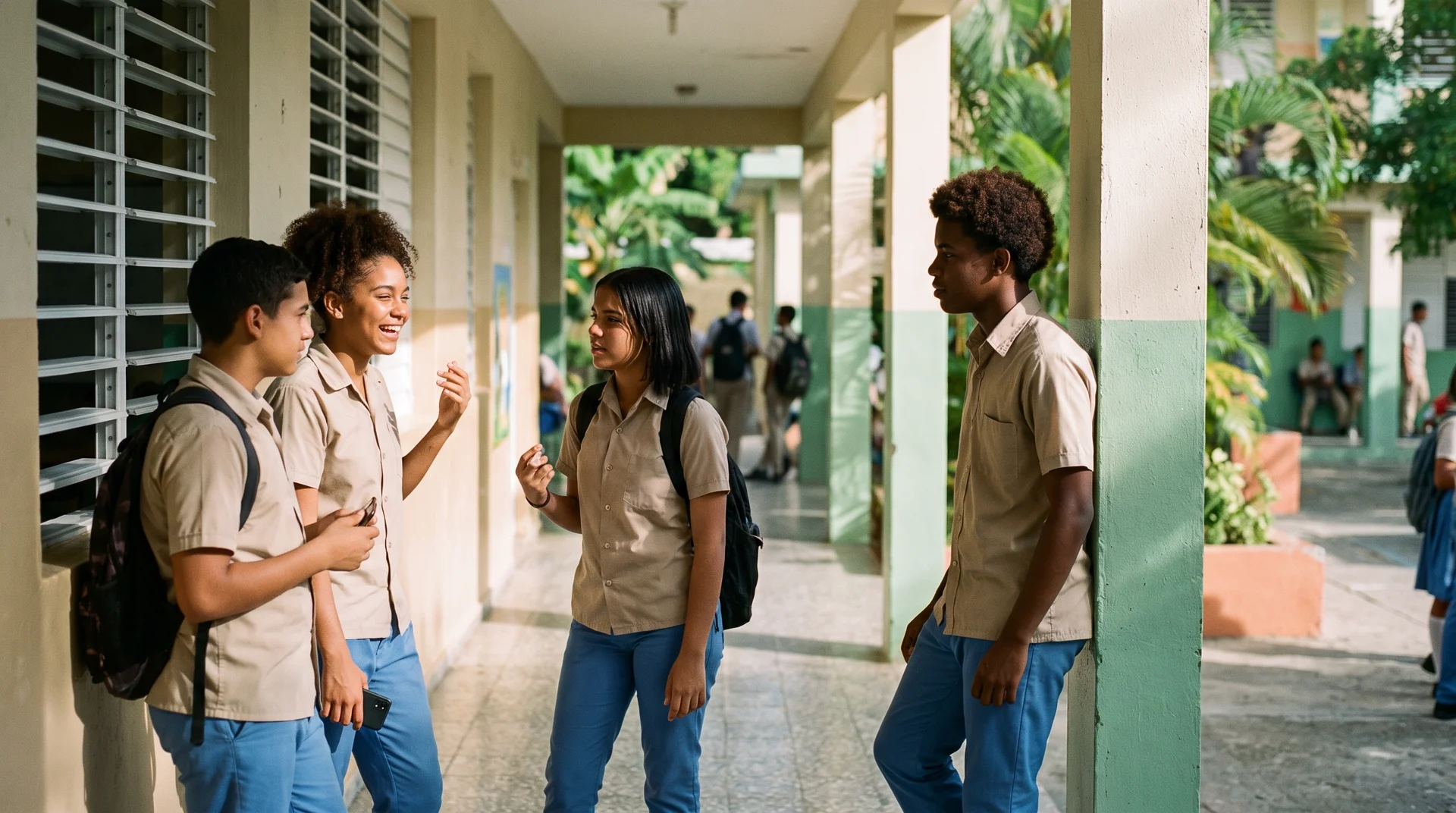
Integrity and coexistence
- Blows and wounds causing permanent injury: 5 to 10 years; if the victim is a child or adolescent, 10 to 20 years.
- Cruel, inhuman or degrading treatment: 1 to 2 years; aggravated against a child or adolescent, 2 to 3 years.
- Degradation, coercion, pressure or blackmail against a child or adolescent under one’s custody or supervision: 5 to 10 years and disqualification.
- Harassment in the educational sphere: 15 days to 1 year; aggravated against a child or adolescent, or leading to suicide: 4 to 10 years.
- Positive discipline: the Normas de Convivencia (the MINERD school-coexistence rules) prohibit corporal, collective and financial punishment.
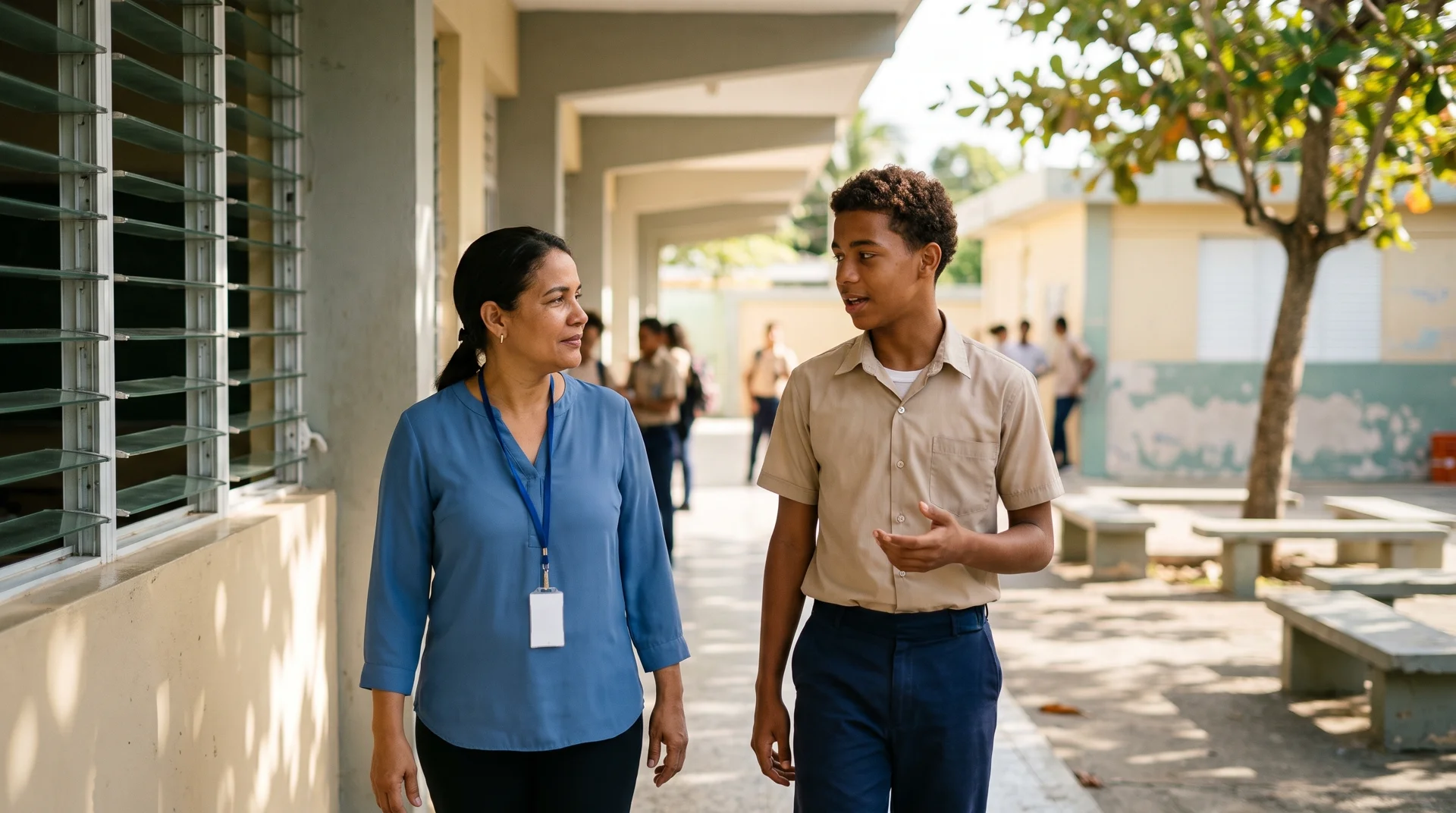
The relationship of trust weighs more
- Sexual assault against a child or adolescent by an adult: 20 to 30 years of prisión mayor (greater imprisonment).
- Rape aggravated where the perpetrator abuses the authority of his functions or makes use of digital platforms.
- Sexual harassment within a relationship of power, authority or trust, “as in workplace or academic contexts…”: 2 to 5 years.
- Sexual exploitation of children and adolescents, aggravated where the person responsible holds public or private authority, in law or in fact, over the victim.
- Limitation period: 30 years from the victim’s coming of age.
- Disqualification from posts involving a direct and habitual relationship with children and adolescents, and a register of sexual offenders.
Section
The educator’s five actions
Observe · Document · Report · Support · Guard the information

What to do, and with what backing
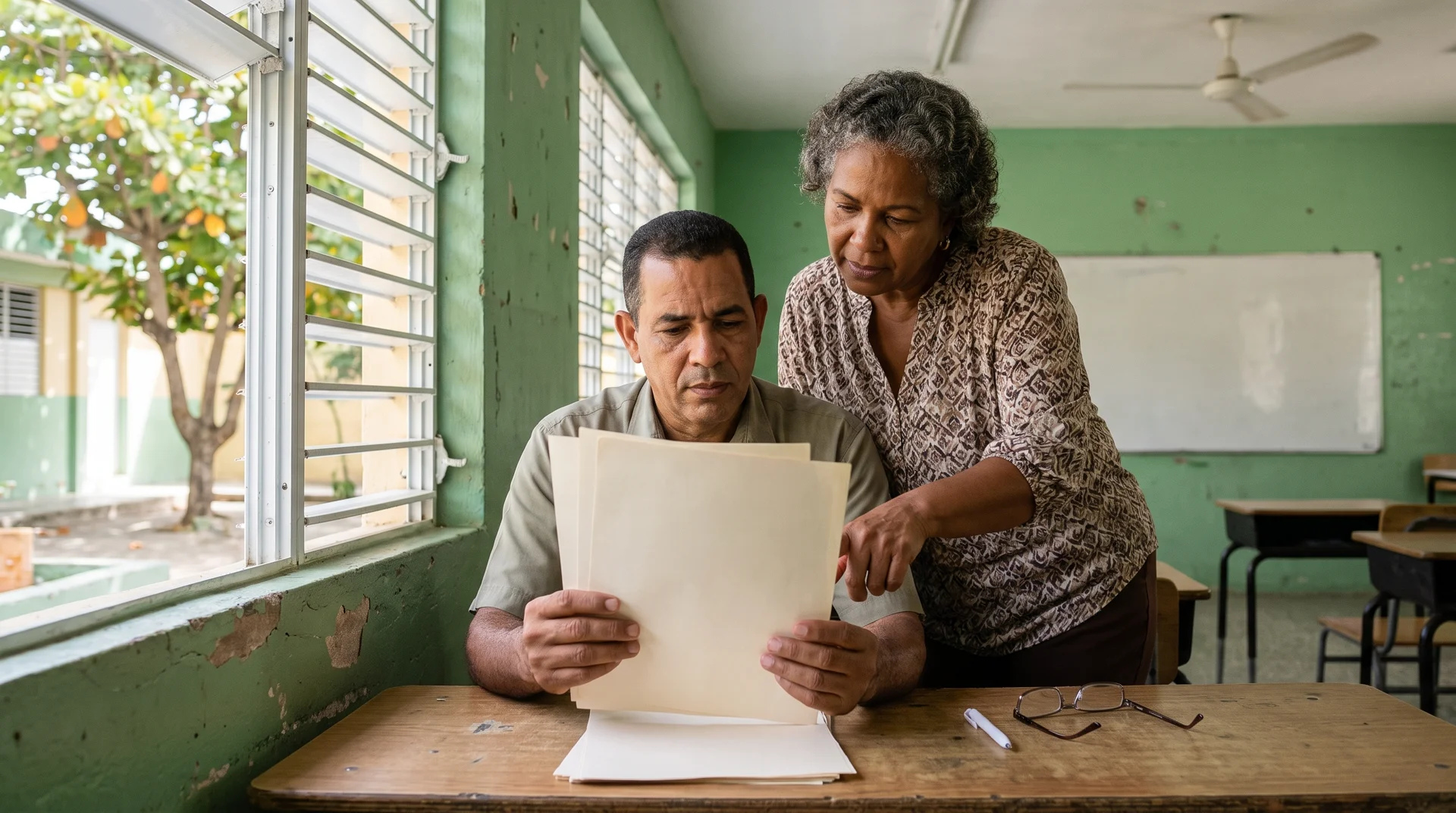
- Observe — Know the signs; listen without interrogating or suggesting answers. The student has the right to be heard.
- Document — What, when, who, where; dated screenshots. A written record protects the student and it protects you.
- Report — Knowledge or suspicion of abuse: the leadership and Orientación y Psicología (the guidance and psychology service); abuse or exploitation, to the Ministerio Público (the public prosecution service) and/or CONANI (the National Council for Children and Adolescents) within a maximum of 24 hours.
- Support — The student stays at the school, with educational measures and mediation; never corporal punishment, and expulsion as a sanction is prohibited during the school year, except in situations that endanger integrity and safety, assessed jointly by the school’s internal and external bodies.
- Guard the information — Discuss the case only with those who must know; nothing to the press or to messaging groups.
- Your own protection — Whoever reports in good faith is exempt from liability; professional secrecy is no bar to reporting abuse against children and adolescents.
The researcher’s view
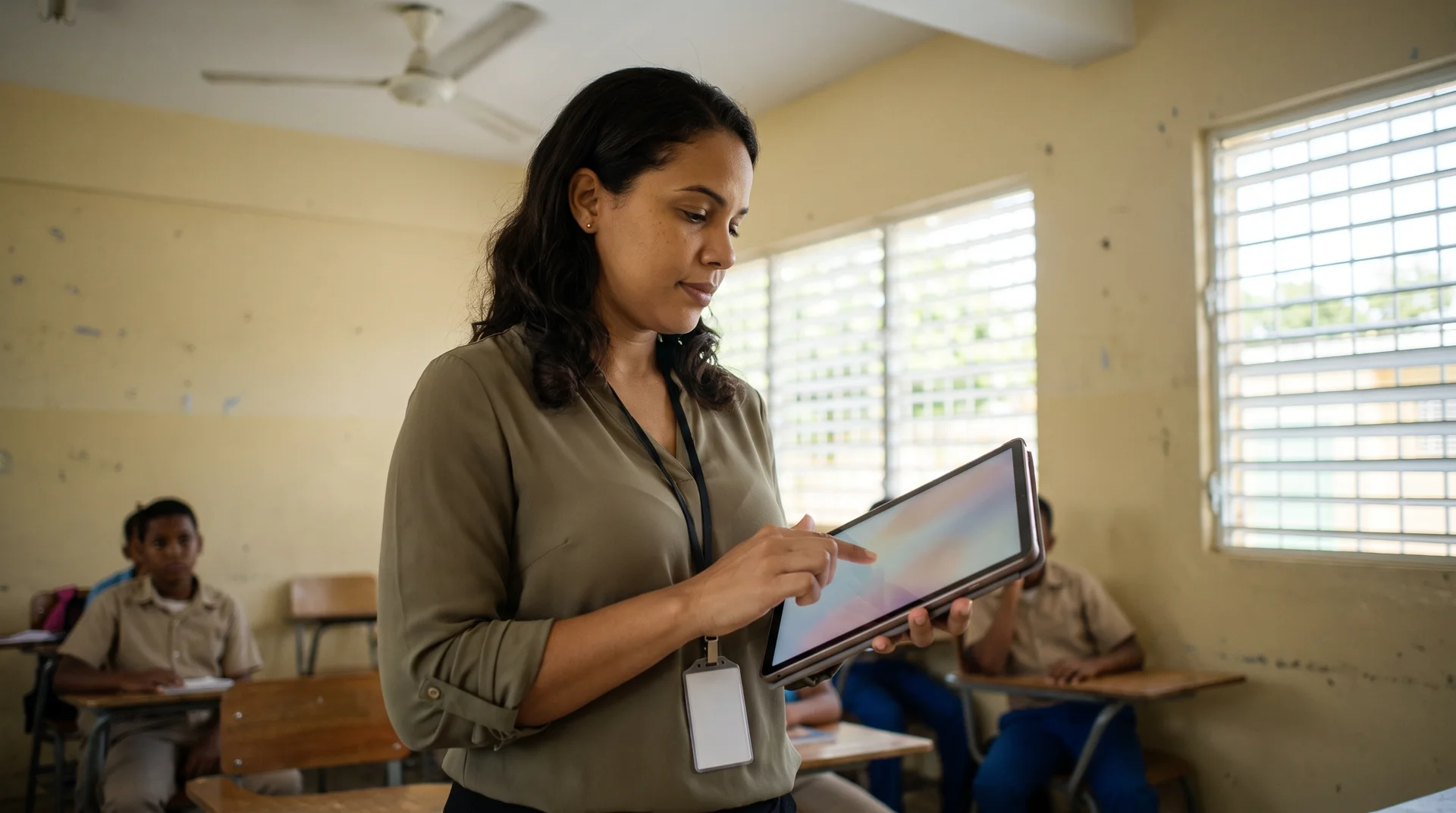
Documenting is not bureaucracy: it is the way a suspicion becomes evidence without turning the educator into a judge. A record with a date, a fact and a witness protects the student, protects the teacher and protects the truth.
— Dr. Saya Nakamura-Ellis — The Researcher
Section
Adolescents and the law
The most misunderstood point in the new Code
Three bands, three responses
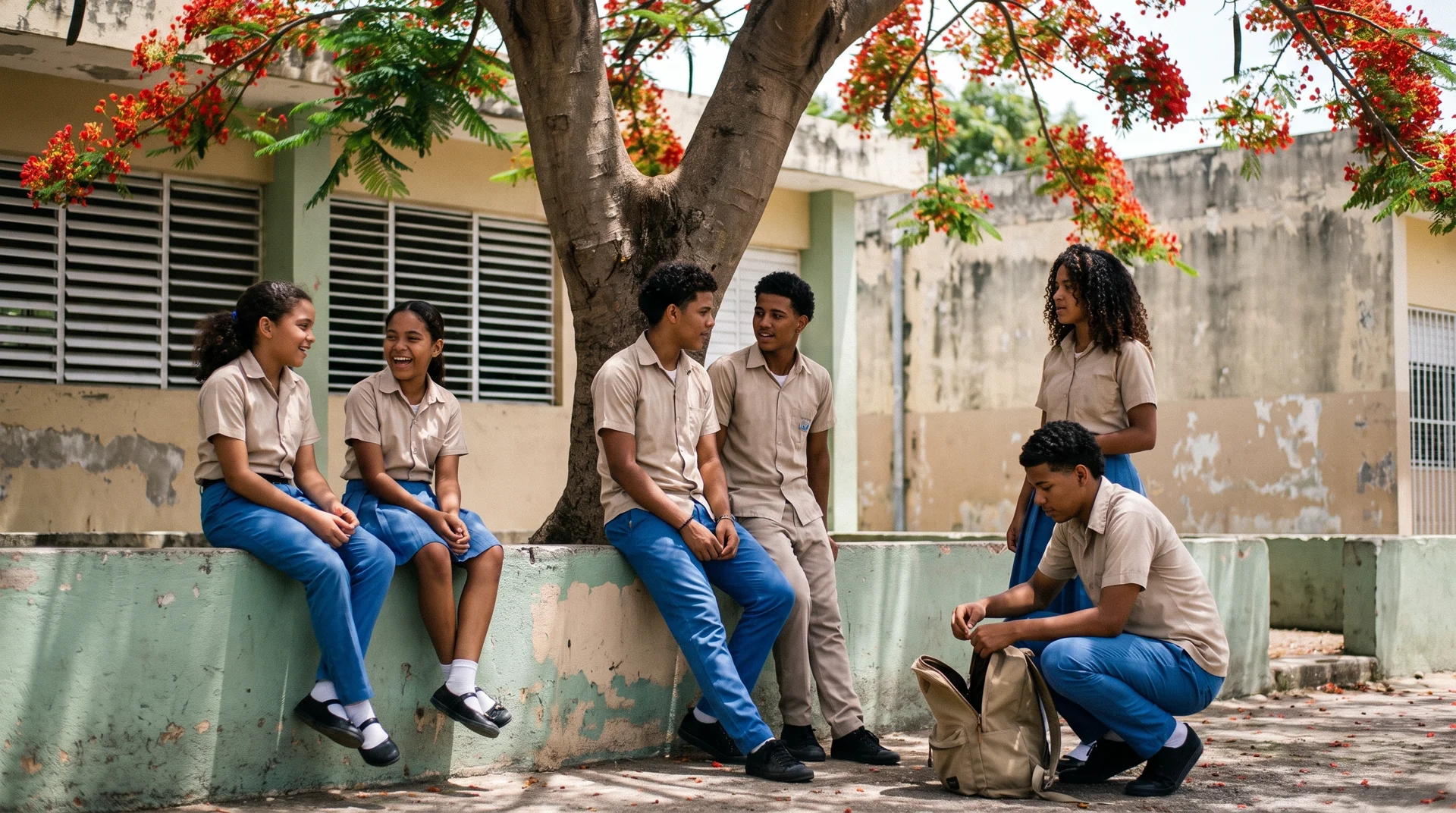
- Under 13 — Never criminally responsible; may not be detained or sanctioned by any authority. The school adopts protection measures.
- From the completed age of 13 up to the day they turn 18, that day included — The criminal justice system for adolescents: the Ministerio Público (the public prosecution service) and the Tribunal de Niños, Niñas y Adolescentes (the children and adolescents court); declared purpose: education, rehabilitation and social inclusion.
- Socio-educational sanctions and orders of guidance; deprivation of liberty exceptional, with maximums of 1 to 3 years (13 to 15) and 1 to 5 years (16 to 18).
- From the day after the 18th birthday — The penalties of Ley 74-25.
- The school sanction and the juvenile criminal response are parallel routes: neither replaces the other.
What sharing a student’s image sets off
A student’s phone is an extension of their privacy
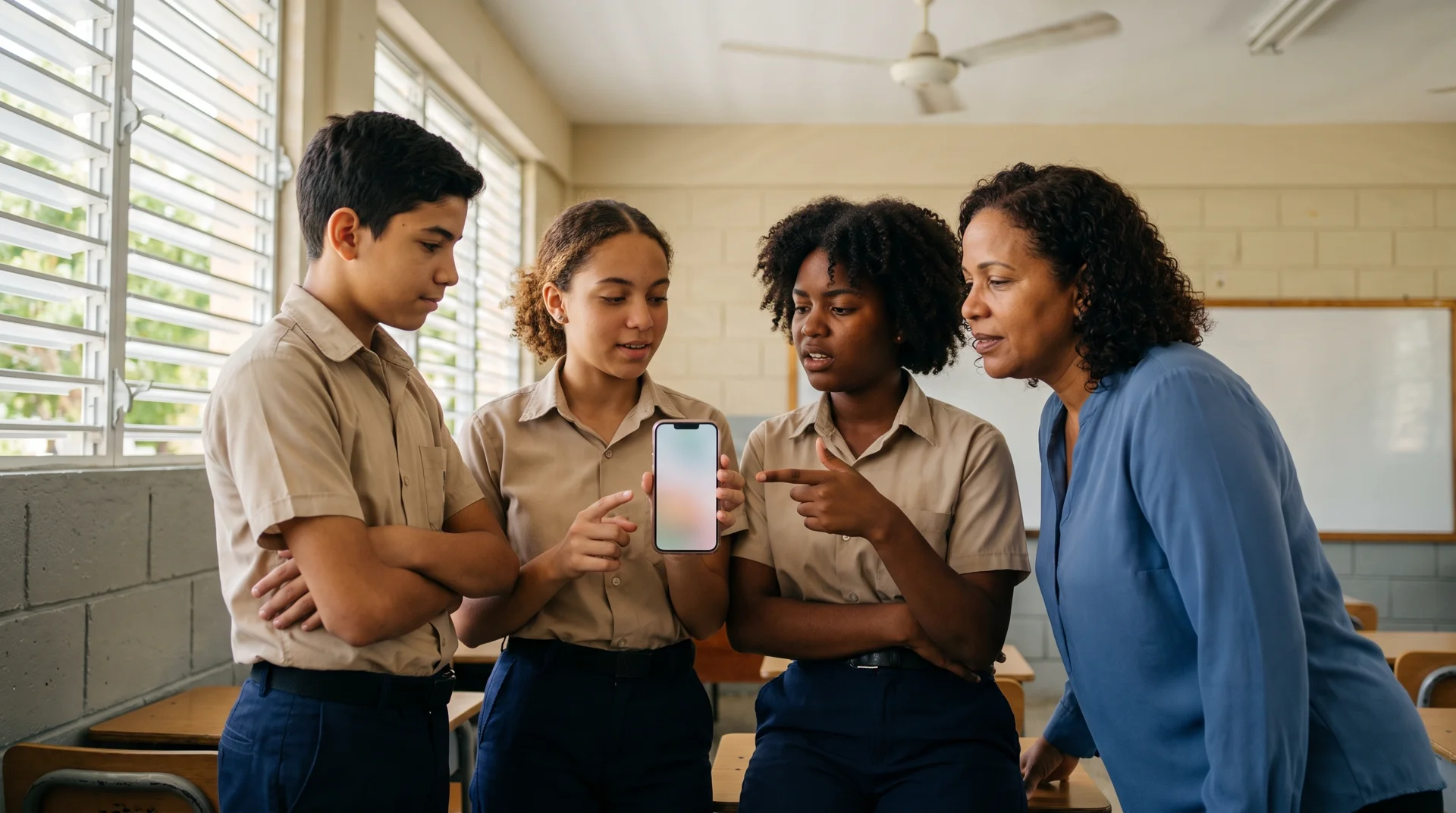
- Divulging the image or the data of a child or adolescent in a way that affects their development or stigmatises them: 2 to 5 years.
- Circulating intimate content without consent: an offence; if the victim is a child or adolescent or there is a relationship of authority: 5 to 10 years of prisión mayor (greater imprisonment).
- Creating or publishing montages or false or altered content that harms honour or image (including content made with AI): 2 to 5 years.
- Cyber-harassment: threatening, obscene, insulting or intimidating messages meant to humiliate or isolate: 2 to 5 years.
- Identity theft: using another person’s name, email or username by electronic means: 5 to 10 years.
- The classroom rule: digital communication with students only in groups and through institutional channels; a student’s image is not shared.

The innovator’s view
Digital citizenship is not taught through prohibitions: it is practised. When a student understands that a classmate’s image has the same protection as their body, the law stops being a scare and becomes an agreement among peers.
— Zara Chen-Rodriguez — The Innovator
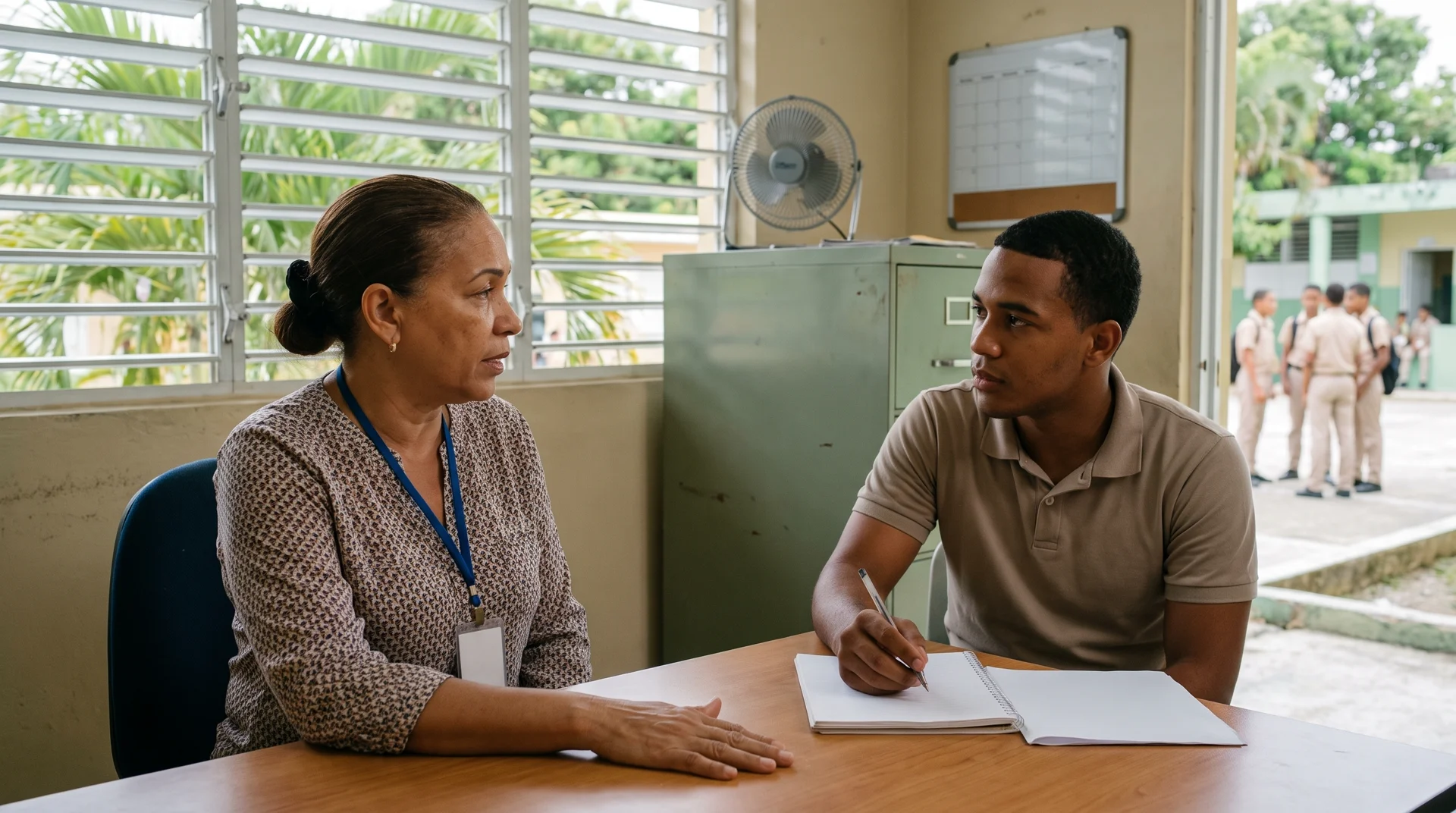
Leadership and school: what must exist before the incident
- Individual responsibility: “No one may be criminally punished for the act of another.” The principal answers for what he does or fails to do while under a duty to act.
- Position of guarantor: whoever has the duty and the possibility of preventing an outcome and does not do so may answer for it. Taking the register, supervising break time and releasing a student only to the authorised person are the concrete way of meeting it.
- A Reglamento de Convivencia (the school’s own coexistence rules), mediation teams and an active Comisión de Ética (ethics committee).
- Public schools: they do not answer as a legal person; their natural persons do.
- Private schools: they do fall within the legal-person regime, where there was also a failure in the duties of direction, control or supervision. A genuine compliance programme can exempt or mitigate.
- That regime (Arts. 8-11) applies three months after 5 August 2026: the window to put it in order is now.
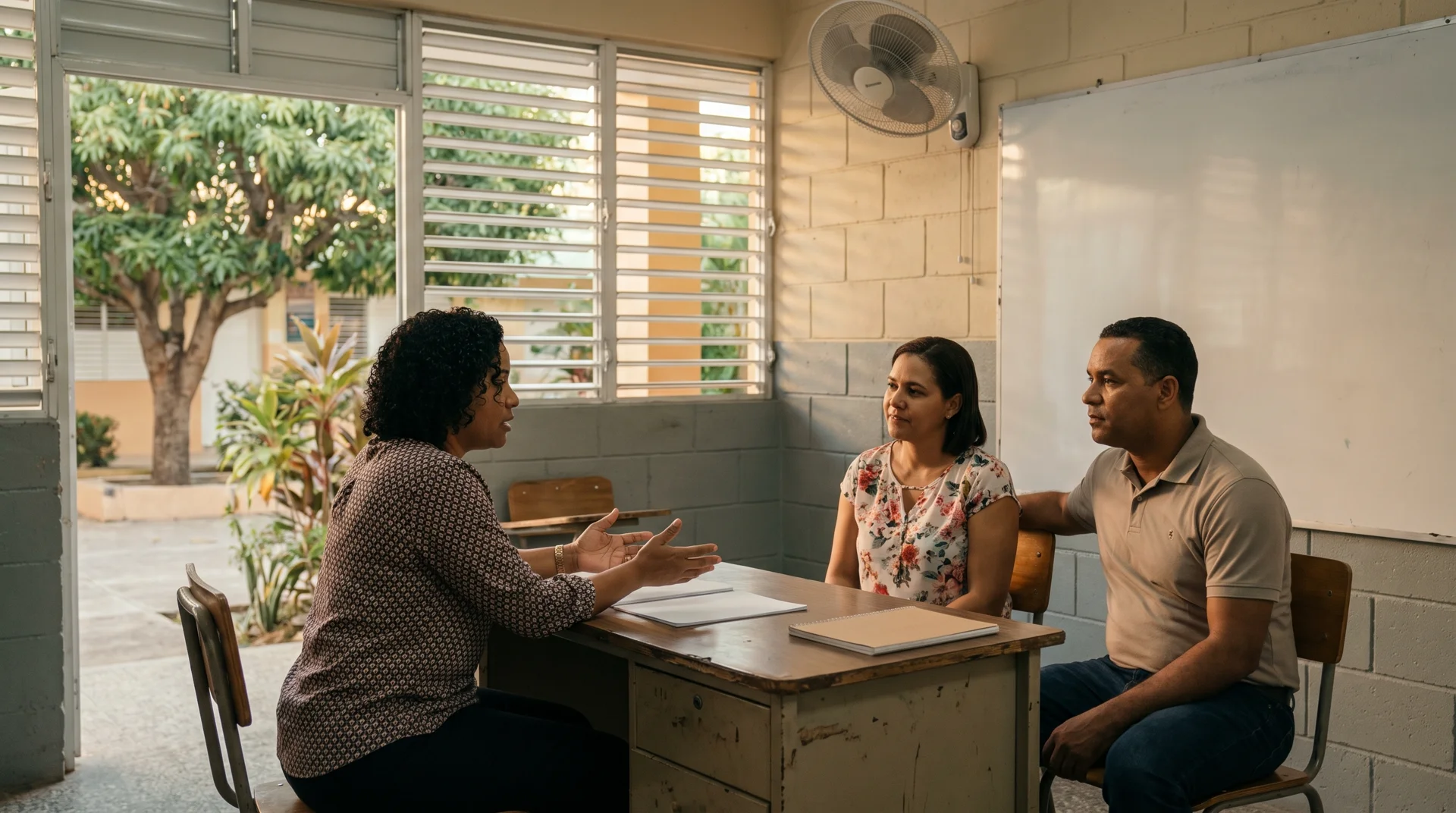
Families: allies with rights and duties
- Co-responsible for coexistence: follow-up, support for the rules and knowledge of the Reglamento at the start of the year.
- The right to report and to have the school inform and refer; complaints may be brought with no limitation period and are handled confidentially.
- The right to criticise how the school is run on well-founded grounds: reasonable and verified criticism of a public service is not an offence.
- Protection of their children’s image against unauthorised circulation.
- Discipline at home, respecting the best interests of the child, is not domestic violence; physical force, humiliation and intimidation are.
- The school releases the student only to whoever has legal custody, and complies with any protection orders it receives.
The guardian’s view
The strongest protection in this law is triggered by the student with the least voice: the one with no birth certificate, the pregnant adolescent, the child who does not tell what happens at home. A school is measured by how it cares for that student, not for the average one.
— Prof. Marcus Okonkwo-Brandt — The Guardian
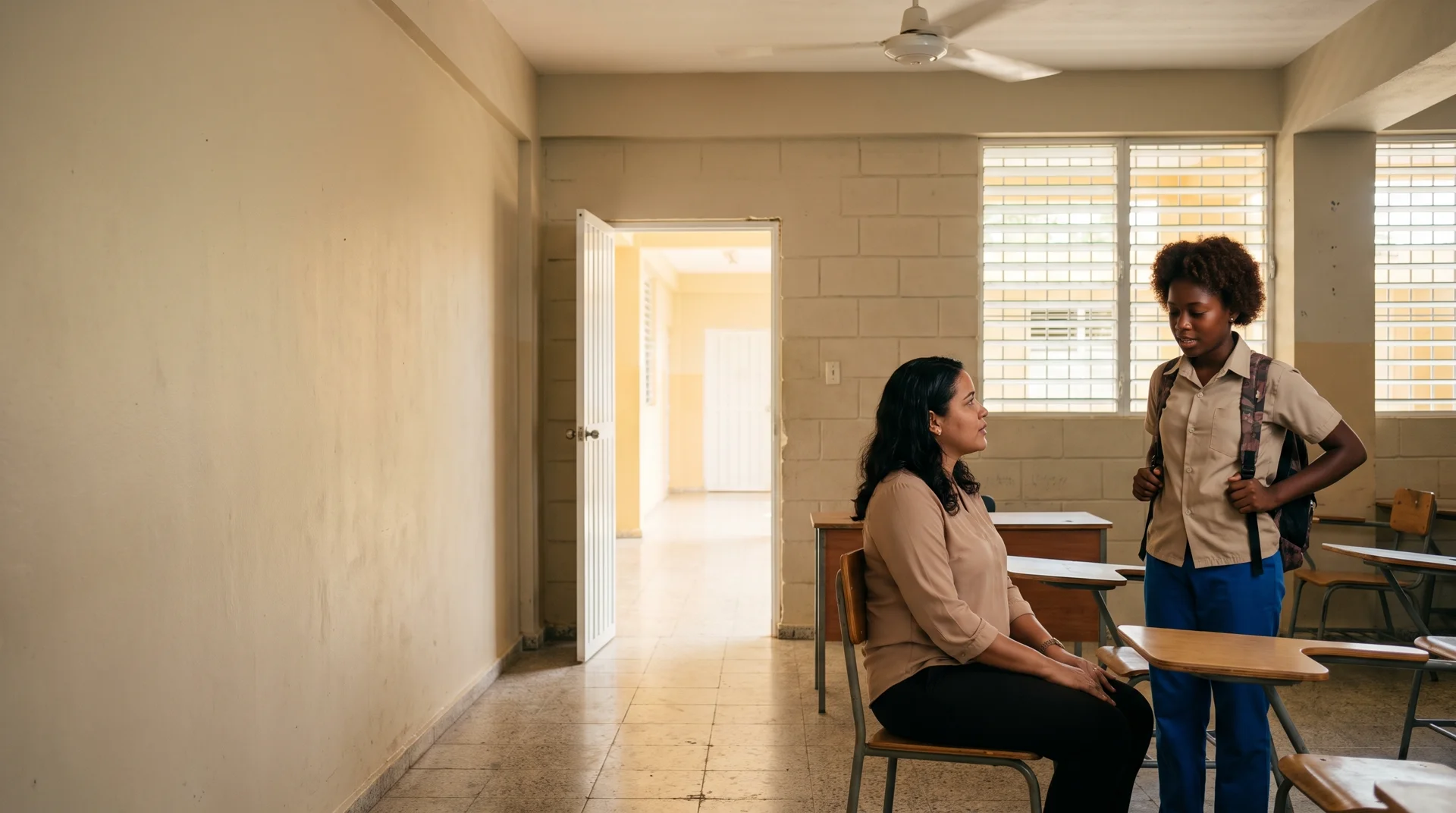
Practice in the room
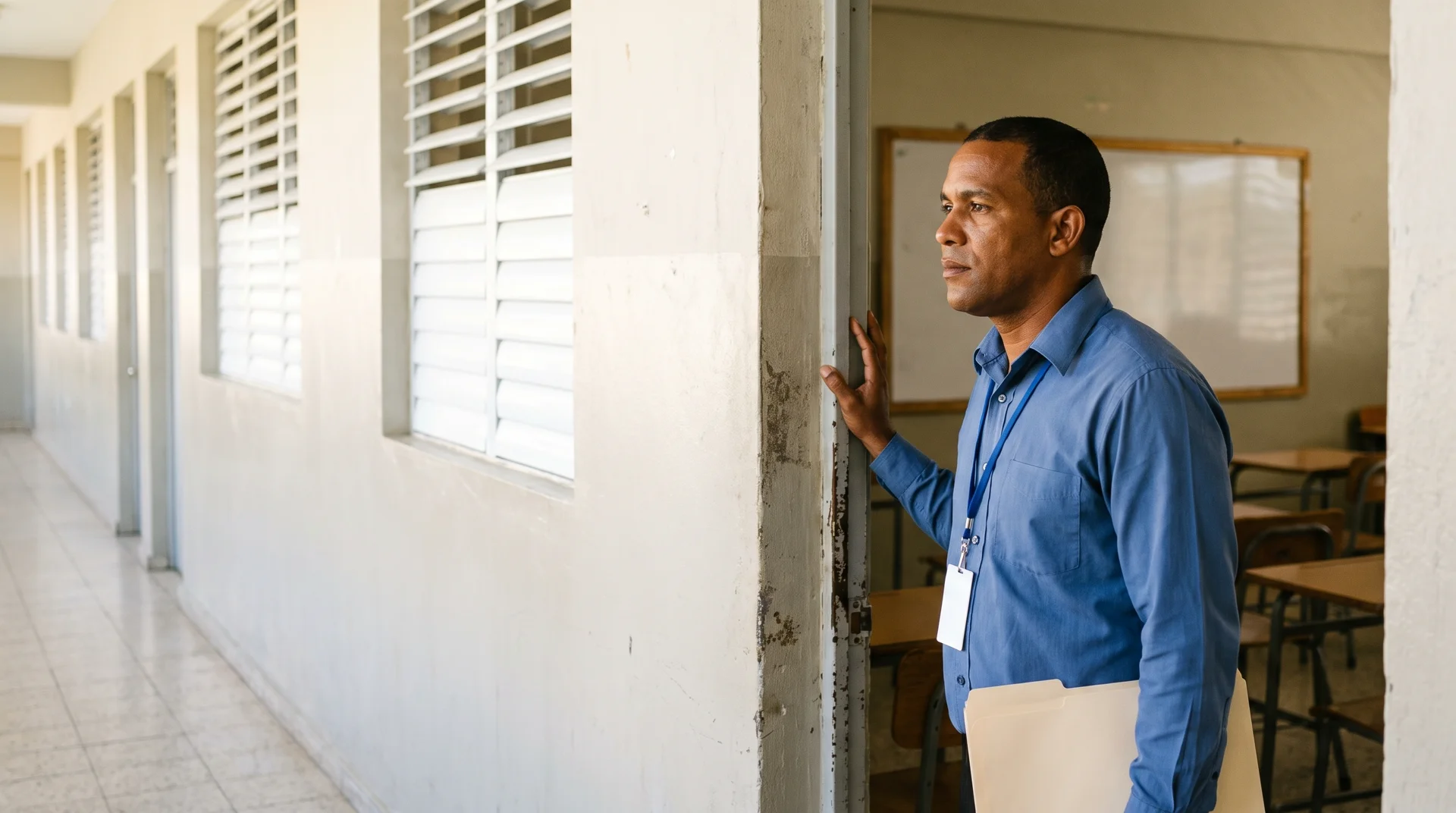
Scenario 1 — The confidence
A 14-year-old student tells you, at the end of class, that an adult at her home “touches her”. She asks you not to tell anyone. What do you do in that first hour?
Practice in the room
Scenario 1 — The answer
Practice in the room
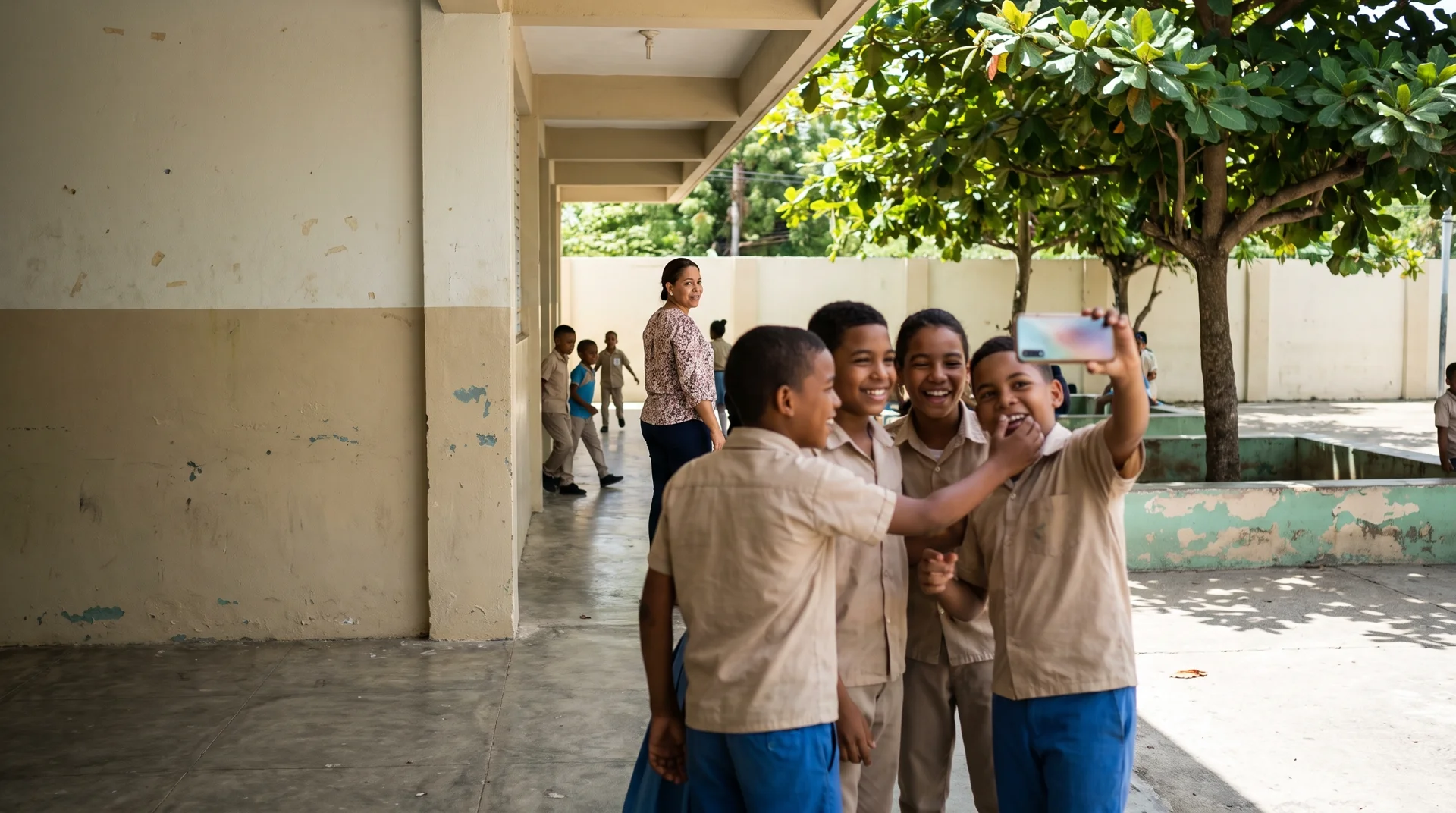
Scenario 2 — The video from break time
Two 15-year-old students fight in the yard. A third records it, and that same afternoon the video is going round a parents’ group with both their names. What does the school do?
Practice in the room
Scenario 2 — The answer
Practice in the room
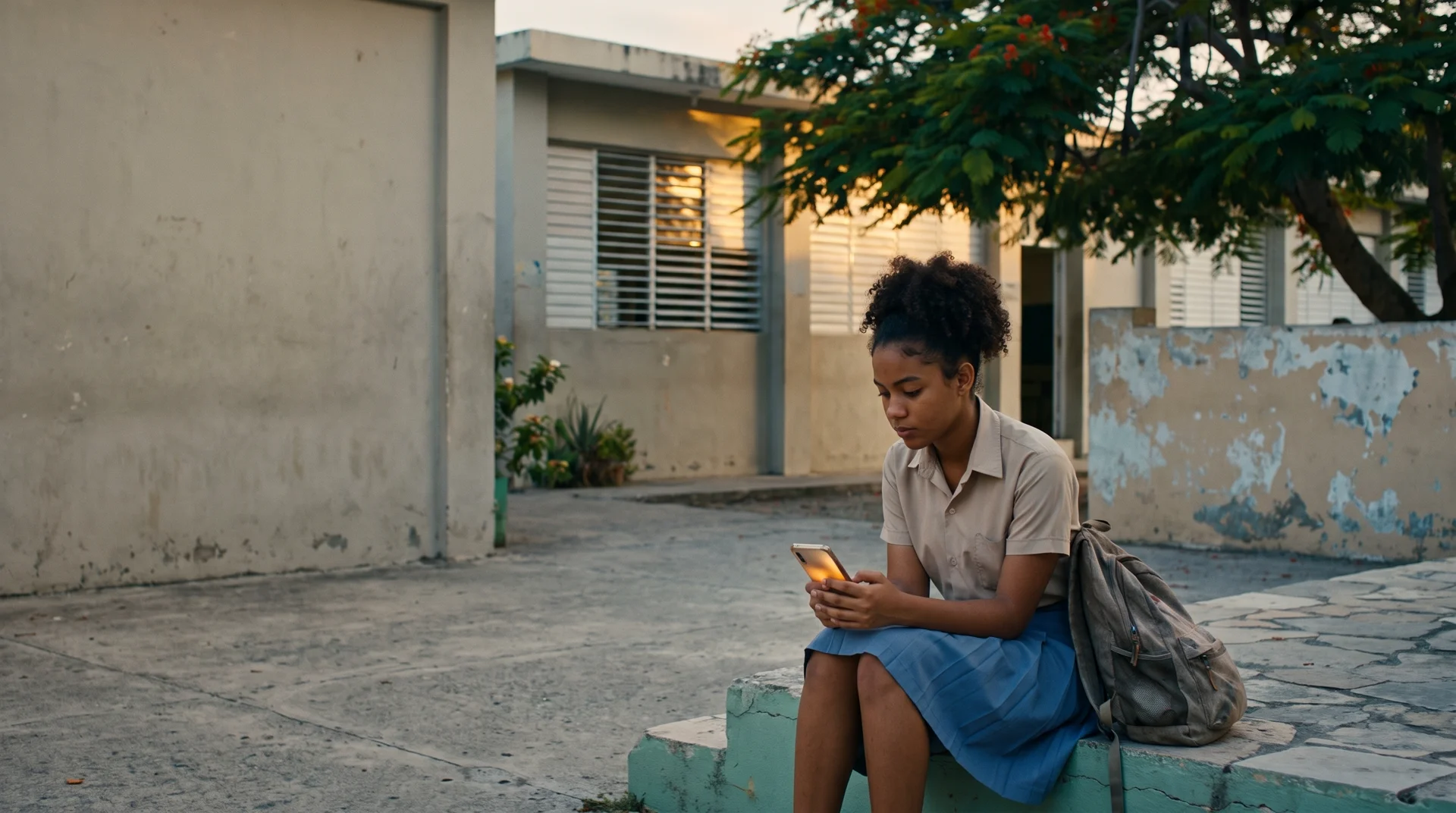
Scenario 3 — The direct message
A teacher receives a private message at eleven at night, with a homework question from a 16-year-old student. The student insists on carrying on talking about personal matters. What does the teacher do?
Practice in the room
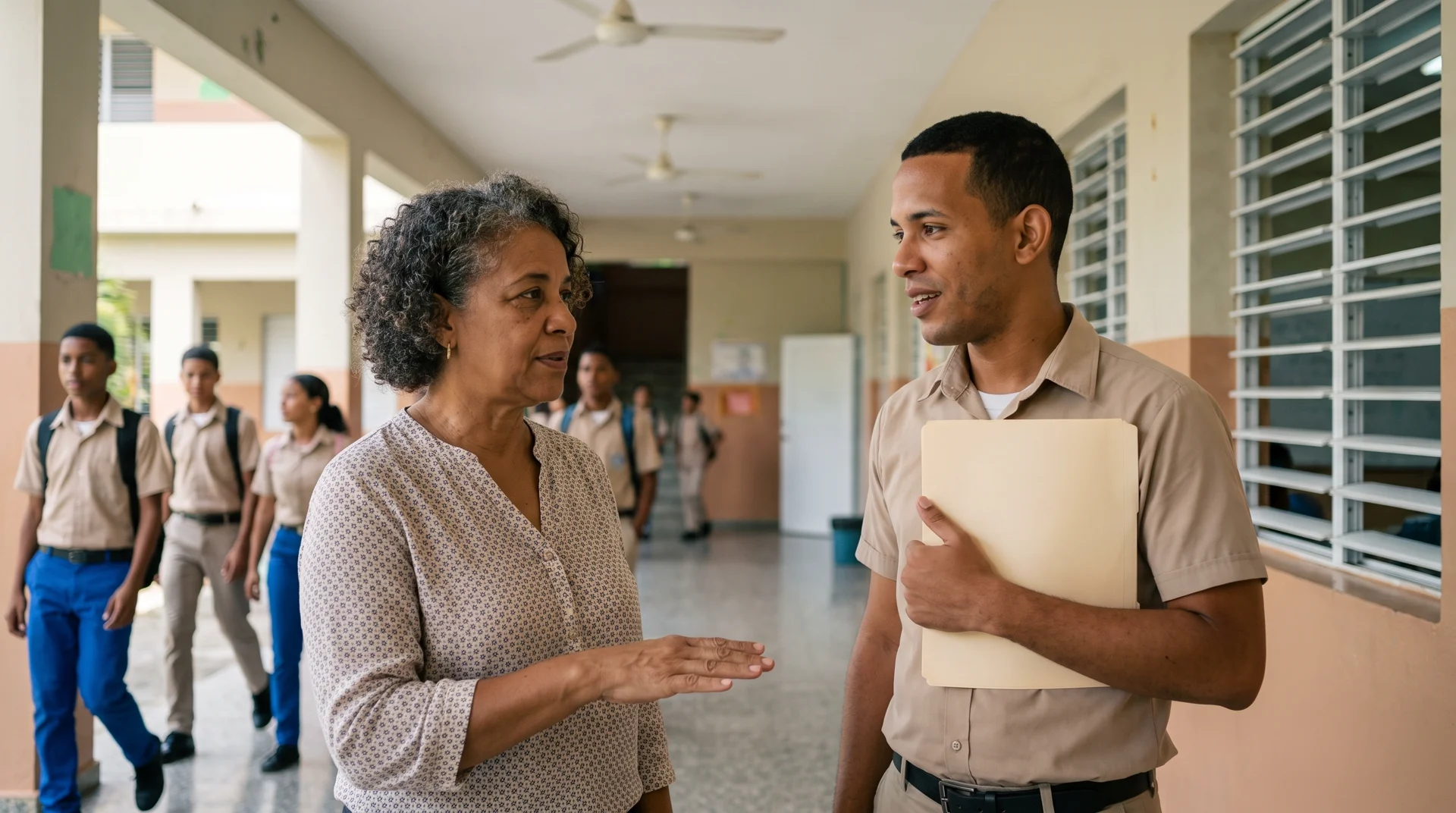
Scenario 3 — The answer
Five myths, five answers
- “It is not in force yet.” — False: it has applied since August 2026.
- “Students now go to prison for bullying.” — False: under 13, never; from the completed age of 13 up to the day of the 18th birthday, that day included, a specialised justice system with an educational purpose.
- “A teacher can no longer discipline.” — False: educational measures remain; what is prohibited is violence.
- “If I report and I am wrong, they will accuse me of false reporting.” — What is punished is a false report presented voluntarily (Art. 329) and an imputation made in the knowledge of its falsity or in reckless disregard for the truth (Art. 338); whoever reports in good faith is exempt.
- “The principal answers for everything his staff do.” — No: criminal liability is individual.
- “A private school can already be convicted as a company.” — Not yet: that regime applies three months after 5 August 2026.

The educator’s commitment
- Observe attentively and listen without interrogating.
- Document in writing, with the date, what you see or what is confided to you.
- Report on knowledge or suspicion, through the school’s channels and within the periods provided.
- Support the student with positive discipline and mediation.
- Guard the information: discuss the case only with those who must know.
- Keep communication with students in group and institutional channels.

Where to go next
- /penal/rd/en/ — the full space, with pages for educators, leadership, the school, students and families.
- /penal/rd/en/escenarios/ — interactive scenarios with artificial intelligence, for practising decisions.
- /penal/rd/en/casos/ and /penal/rd/en/faq/ — annotated cases and frequently asked questions.
- /penal/rd/en/evaluacion/ — a self-assessment for your team.
- /penal/rd/en/marco-legal/ — the full legal texts, downloadable: Ley 74-25, Ley 44-26, Ley 136-03, the Código de Ética (the MINERD code of ethics) and the Normas de Convivencia (the MINERD school-coexistence rules).
- /penal/rd/en/resumen/, /penal/rd/en/infografia/ and /penal/rd/en/compromiso/ — to print and share.
To close
The Code does not ask the educator to be a police officer or a lawyer. It asks for what a good educator already does: watch, write, tell and support. If your school turns those verbs into routine, the law works in favour of every student and of every teacher. That is the change worth making well.
— Carlos Miranda Levy — Coordinator of Impact, Innovation and Intelligence
Thank you
Created by aiLearning.global under the supervision of Carlos Miranda Levy and the Human + AI teams of CEMI.ai — Collectively Enhanced Multiple Intelligence.
- ailearning.global/penal/rd/en/
- This presentation offers guidance; it does not replace the law or legal advice.

← → navigate · N notes · F photo/felt · Esc exit
Español — The Spanish version is the reference text — the legal verification described in the audit report was carried out on it.
Created by aiLearning.global under the supervision of Carlos Miranda Levy and the Human + AI teams of CEMI.ai — Collectively Enhanced Multiple Intelligence.